
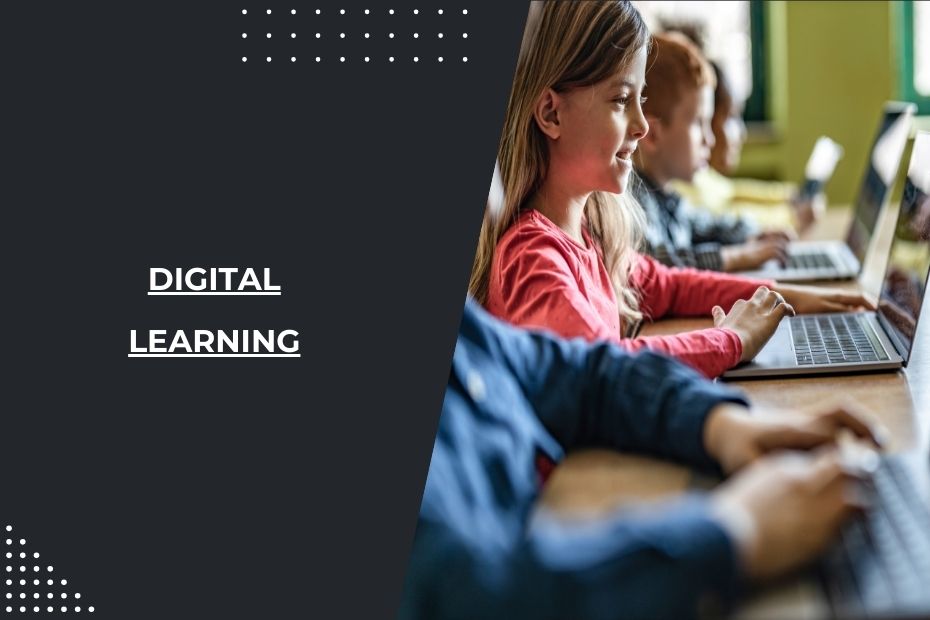
Technology has significantly transformed many areas of our lives, and education is no exception. As digital tools and platforms continue to evolve, the traditional methods of teaching are being replaced by more interactive, personalized, and accessible ways of learning. Digital learning, which involves the use of technology to facilitate and enhance learning experiences, is becoming a cornerstone of modern education. This article delves into how technology is shaping the future of education, offering insights into key trends and benefits for students, educators, and institutions alike.
The Expansion of Digital Learning Tools
The integration of digital learning tools in education is one of the most impactful changes in recent years. From video lectures and interactive quizzes to full-scale online degree programs, technology has made education more accessible than ever before. Online platforms such as Coursera, Khan Academy, and Udemy have made it possible for people around the world to access high-quality learning resources, often for free or at a minimal cost.
These platforms provide learners with the flexibility to study at their own pace and revisit materials as needed, making education more adaptable to individual learning styles. Moreover, digital tools like Google Classroom and Microsoft Teams have transformed the way teachers manage classrooms, enabling seamless communication, collaboration, and assignment distribution. As more schools and universities adopt these technologies, the gap between in-person and online learning continues to narrow, leading to a more integrated approach to education.
AI-Driven Personalized Learning
Artificial intelligence (AI) has emerged as a game-changer in education, particularly in personalizing the learning experience. AI-powered systems can analyze a student’s learning patterns, preferences, and progress, allowing educators to offer customized instruction tailored to each individual. This level of personalization helps students grasp concepts more effectively and at their own pace.
For instance, AI tools can recommend specific reading materials, quizzes, or assignments based on a student’s strengths and weaknesses. This allows for a more targeted approach to education, where each learner receives the exact resources they need to succeed. AI also plays a crucial role in automating administrative tasks, such as grading and scheduling, freeing up teachers to spend more time on meaningful student interactions.
Furthermore, AI is being used to create adaptive learning platforms that adjust the difficulty of content in real-time based on a student’s performance. This ensures that students are always engaged at an appropriate level, avoiding frustration or boredom. Such technology is not just limited to academic institutions but is also being implemented in corporate training and lifelong learning environments.
Immersive Learning with Virtual and Augmented Reality
Virtual reality (VR) and augmented reality (AR) are transforming the classroom by making learning more immersive and interactive. These technologies enable students to engage with content in ways that traditional textbooks cannot offer. For example, through VR, students can take virtual field trips to historical sites, visit museums, or explore distant planets without leaving the classroom.
In addition to enriching the learning experience, VR and AR can make abstract concepts easier to understand. For example, students studying anatomy can use VR to explore the human body in three dimensions, or engineering students can simulate complex machinery to see how it operates in real time. The use of immersive technology is enhancing engagement and improving knowledge retention by making learning more experiential.
Although these technologies are still in the early stages of widespread adoption, their potential for reshaping education is enormous. As VR and AR tools become more affordable and accessible, they are likely to become integral components of the learning process, providing students with a hands-on approach to education across various disciplines.
Global Collaboration and Communication
One of the most significant advantages of digital learning is the ability to foster global collaboration. In the past, learning was largely confined to physical classrooms, but today, students can connect with peers, educators, and experts from around the world in real time. Digital platforms like Zoom, Microsoft Teams, and Google Meet have made virtual classrooms a reality, breaking down geographical barriers and allowing for diverse perspectives in the learning environment.
Moreover, collaborative tools such as shared documents, wikis, and discussion forums enable students to work together on projects regardless of their physical location. This enhances learning and prepares students for a globalized workforce where collaboration across borders is becoming increasingly common. By integrating global perspectives into the curriculum, students can gain a broader understanding of different cultures and viewpoints, which is essential for their personal and professional development.
Gamification in Education
The use of gamification—applying game design elements such as points, badges, and leaderboards in non-game contexts—is another trend that is shaping the future of education. Gamified learning has proven to be an effective way to engage students, increase motivation, and improve learning outcomes. Whether through interactive quizzes, educational games, or challenge-based learning platforms, gamification helps make learning fun and engaging.
Incorporating game mechanics into education can also promote healthy competition and collaboration among students. For example, language-learning apps like Duolingo use rewards and challenges to encourage continuous learning, while platforms like Kahoot! allow teachers to create interactive quizzes that test students’ knowledge in a fun and competitive environment. The motivational power of gamification lies in its ability to provide instant feedback and reward progress, which keeps students engaged and striving for improvement.
Learning Analytics and Data-Driven Education
The use of data analytics in education is opening up new possibilities for understanding student performance and improving teaching methods. With the help of data, educators can track students’ progress in real time, identify areas where they struggle, and adjust their teaching strategies accordingly. Learning analytics also allow for the development of personalized learning plans, ensuring that each student’s unique needs are met.
In addition to helping educators make more informed decisions, data analytics can empower students by providing them with immediate feedback on their learning progress. This can motivate them to take more responsibility for their own learning, as they can easily track their achievements and identify areas that need improvement.
Furthermore, the use of big data in education is helping institutions optimize their resources. By analyzing data on student engagement, dropout rates, and academic performance, schools and universities can make data-driven decisions that improve student outcomes and operational efficiency.
Challenges and Considerations in Digital Learning
While digital learning offers many benefits, it also comes with its own set of challenges. One of the most pressing issues is the digital divide—the gap between those who have access to technology and those who do not. Students in low-income areas or rural regions may lack the devices or high-speed internet needed to participate fully in digital learning. Addressing this inequality is crucial for ensuring that all students have the same opportunities to benefit from technological advancements.
Another challenge is maintaining student engagement in an online learning environment. Without the structure of a physical classroom, some students may struggle with time management and self-discipline. To combat this, educators are experimenting with more interactive and engaging content, such as live video lessons, interactive simulations, and collaborative projects.
Lastly, privacy and data security are growing concerns as more student data is collected and stored by digital platforms. Educational institutions must ensure that they are using secure systems to protect sensitive information and comply with data protection regulations.
The Future of Digital Learning
- Personalized Learning: AI-driven platforms offer tailored learning experiences based on individual student needs.
- Immersive Education: VR and AR provide interactive and hands-on learning opportunities.
- Global Connectivity: Digital tools enable collaboration across borders, enriching the learning experience.
- Gamification: Game-based elements enhance student motivation and engagement.
- Data-Driven Insights: Analytics allow for more informed decision-making and personalized education plans.
In Conclusion
The future of education is being shaped by technology in unprecedented ways. Digital learning tools, AI, immersive technologies, and data analytics are transforming how students learn and how teachers teach. While challenges such as the digital divide and data privacy must be addressed, the potential benefits of these innovations far outweigh the obstacles. As we continue to integrate these technologies into education, we can expect more personalized, accessible, and engaging learning experiences for students around the globe.

Michael E Weintraub is an attorney and founder of the Law Office of Michael E. Weintraub, LLC in Neptune, NJ. With over 25 years of experience in trials, estate planning, and estate administration, he is known for delivering client-focused legal solutions with integrity and precision.