
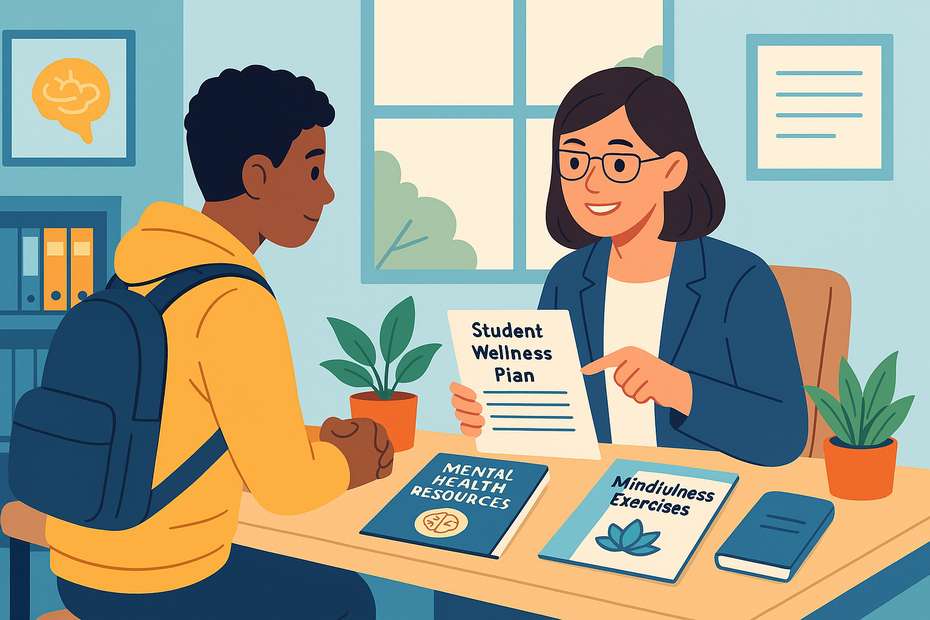
You’re likely seeing it every day—students navigating academic pressure, personal struggles, or social isolation without the tools to cope. Promoting mental health awareness in schools isn’t just about wellness days or stress-relief events; it’s about creating a sustained support system that reaches students where they are. From school-based health centers to peer mentorship programs, this article covers the most effective ways to embed mental health initiatives into your educational ecosystem so you can support student well-being with structure, consistency, and purpose.
School-Based Health Centers: Mental Health at the Point of Need
If you’ve ever tried to refer a student to off-campus mental health care, you know the barriers—transportation, scheduling, cost, or stigma. That’s why school-based health centers (SBHCs) are so effective. When students can visit a therapist or counselor right on campus, you eliminate several hurdles at once. These centers often partner with local clinics or nonprofits and provide care during school hours, offering a mix of primary care, mental health services, and case management.
You can advocate for SBHCs by connecting with public health departments or using state and federal funding initiatives. Schools in Michigan and New York, for instance, have implemented successful models that include behavioral specialists available during school hours. When your students have direct access to therapy, check-ins, or emergency counseling without leaving campus, you reduce crisis escalation and improve attendance and academic performance.
Peer-Led Support: A Bridge Students Trust
Sometimes a student won’t speak to a teacher or counselor—but they’ll open up to a classmate. That’s the strength behind peer support initiatives like Hope Squad or Active Minds chapters. These programs train students to recognize signs of distress in their peers, respond appropriately, and escalate when needed.
You don’t need a national license to start. With staff sponsorship, you can form small peer groups and train them with simple modules on active listening, confidentiality, and when to refer someone to a professional. Schools that run peer-led wellness groups often report fewer incidents of bullying, stronger community connection, and early intervention when a classmate is in trouble. Students see themselves not just as learners, but as allies in each other’s well-being.
Integrating Mental Health into the Curriculum
Health classes cover nutrition and exercise—but often skip emotional well-being. That’s where mental health literacy curriculum makes a difference. When you incorporate emotional regulation, cognitive behavioral techniques, and awareness of conditions like depression or anxiety into everyday instruction, you normalize discussion and reduce stigma.
You can use programs like the “Happiness Curriculum” from Delhi or adopt U.S.-based models like MindUP or Second Step. These programs combine mindfulness, social-emotional learning, and age-appropriate instruction. Instead of reacting to problems, you help students build habits that prevent them. Teaching them to identify emotions, name their stressors, and ask for help changes how they deal with pressure, both inside and outside school.
Multitiered Support Systems: Organizing the Right Response
Not all students need the same level of support, and that’s why schools are adopting Multitiered Systems of Support (MTSS). At the base level (Tier 1), you promote general well-being with schoolwide initiatives like wellness workshops or classroom check-ins. At Tier 2, you run targeted group support—social skills groups, mentoring, or small counseling sessions. At Tier 3, you coordinate individual therapy or crisis care.
You don’t have to build the whole structure overnight. Start by identifying what services you currently offer and where the gaps are. You might already have Tier 1 covered with daily journaling or a mindfulness moment during morning announcements. The next step is defining clear referral routes for students who need more focused support—and making sure every teacher knows what those steps are.
Staff Training: Empowering the Adults Who See It First
You can’t expect teachers to handle every emotional situation, but you can equip them to recognize when something is off. Many educators say they’re not trained in mental health response—even though they see warning signs daily. A professional development workshop can introduce them to risk indicators, de-escalation techniques, and the basics of mental health first aid.
You don’t need a school full of counselors to improve student safety. Teachers who feel prepared are more confident in making referrals and less likely to dismiss warning signs as “teen angst.” Whether it’s offering a training on trauma-informed instruction or giving staff access to crisis protocol manuals, you’re strengthening the school-wide net that catches struggling students early.
Community Partnerships and Grants
Funding and resources often dictate what you can implement—but there are public and private grants designed to support exactly this work. Federal programs like Safe Schools/Healthy Students or the Mental Health Services Professional Demonstration Grant Program offer schools the chance to scale mental health services with outside help.
You can also partner with local universities, health departments, or nonprofits. A counseling program might send graduate interns to run small groups or offer screenings. A local therapist could offer weekly sessions through a community-funded program. These partnerships stretch your impact, especially if your district lacks full-time mental health staff. You don’t have to do everything on your own—you just need to connect with those already doing the work.
Creating Safe Spaces: Peace Rooms and Quiet Zones
You don’t always need a counselor to solve a meltdown. Sometimes, students need space to breathe. That’s where peace rooms and regulation stations come in. Schools across the U.S. have transformed corners of libraries, offices, or underused classrooms into calming environments with soft lighting, sensory tools, and reflection activities.
You can build your own with bean bags, noise-canceling headphones, or a self-regulation checklist. Students can request a few minutes in the space when they feel overwhelmed. This small act teaches emotional regulation and lets them rejoin class with dignity. Instead of punishing behavior, you redirect energy. Over time, students learn to recognize triggers and manage them on their own.
Data and Feedback: Measuring What Matters
If you want to keep programs alive, you need results. Simple surveys—given before and after a peer wellness program or school-wide campaign—can measure attitude shifts and comfort levels with seeking help. Track how many referrals are made to mental health staff, how many students use your calm space, or how often attendance improves after students access services.
You don’t need to drown in paperwork. Start with a spreadsheet. Use the feedback to improve, adjust, and demonstrate success. When district leaders see the connection between mental health initiatives and academic performance, budget discussions change.
Top Student Mental Health Programs
- Launch school-based health centers
- Start peer support groups
- Add mental health lessons to curriculum
- Use tiered support models (MTSS)
- Train educators in early warning signs
- Apply for mental health grants
- Create calming, restorative spaces
Building a Culture of Ongoing Support
Your goal isn’t to run a few awareness events a year—it’s to make mental health part of how your school operates every day. When mental health services are visible, normalized, and accessible, students don’t hesitate to speak up. They trust that asking for help won’t lead to judgment or isolation. That kind of culture doesn’t come from a single program—it’s the result of consistent, coordinated efforts across every layer of the school community.
For thoughtful insights on supporting student well-being through sustainable mental health initiatives in schools, connect with me on Crunchbase.

Michael E Weintraub is an attorney and founder of the Law Office of Michael E. Weintraub, LLC in Neptune, NJ. With over 25 years of experience in trials, estate planning, and estate administration, he is known for delivering client-focused legal solutions with integrity and precision.