
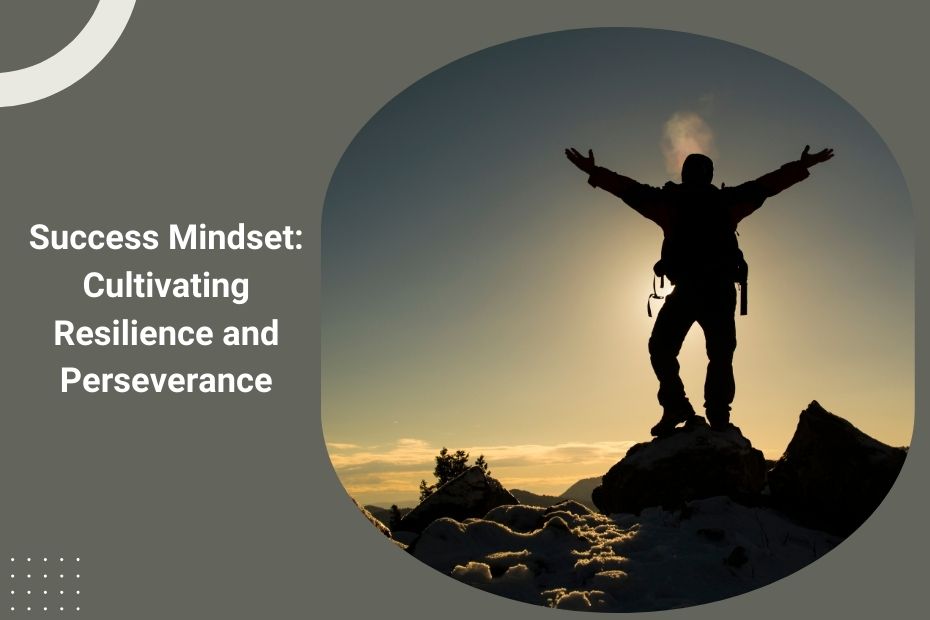
When things go wrong—and they will—it’s not the smartest or the fastest who keep going. It’s the ones who’ve trained themselves to push through. That’s the real driver behind success. If you’re aiming for consistent growth in your personal or professional life, you’ve got to build two core habits: resilience and perseverance. It’s not about being perfect or avoiding failure. It’s about getting up after you fall and pushing forward with a purpose. You need to reframe your setbacks, maintain your drive, and stay adaptable without losing sight of your goals. This is where mindset comes in—not as a catchphrase, but as a skillset you sharpen with real, steady work.
Define What Resilience and Perseverance Actually Look Like
You’ve probably heard these words tossed around, but here’s how they really show up. Resilience is your ability to absorb the hit, regroup, and keep functioning. Perseverance is your ability to keep showing up—especially when it gets boring, slow, or brutally hard. Resilience is about recovery; perseverance is about grind. You need both if you’re serious about building anything worthwhile.
Think of resilience as your mental baseline. It’s what keeps you from spinning out when plans fall apart. Perseverance is the fuel that keeps you on track through long projects or personal goals. Whether you’re building a business, training for a marathon, or recovering from a personal loss, these two traits become your edge—not because they make things easier, but because they help you stay in the game longer.
Anchor Everything in a Growth Mindset
You won’t make it very far if you believe your ability is fixed. A growth mindset is what helps you move from failure to feedback, from doubt to adjustment. It’s the difference between “I can’t do this” and “I can’t do this yet.” When you accept that you can develop skills over time, you stop getting stuck when things don’t work the first time.
This mindset also shifts how you deal with criticism. Instead of seeing it as an attack, you take it as data. That shift lets you make decisions based on improvement, not ego. It’s also contagious. If you lead a team or work in a high-stakes environment, your approach to failure sets the tone for everyone else. Lean into effort, progress, and iteration, and you build a culture that doesn’t fold under pressure.
Break Your Goals into Something You Can Actually Stick To
Long-term goals are great—until they overwhelm you. If you want to build real staying power, structure your targets in a way that keeps you moving without burning you out. That’s where SMART goals come in. You want them to be specific, measurable, achievable, relevant, and time-bound. But don’t stop at writing them down. Build systems to track your progress.
If your goal is to write a book, don’t focus on the final manuscript. Focus on writing 500 words a day. If your goal is to improve your health, don’t obsess over hitting your ideal weight. Start by walking 30 minutes a day. When goals are too big, you freeze. When they’re small and scheduled, you show up. That consistency builds the confidence that leads to real perseverance.
Build Your Bench—You Can’t Go Solo on This
Resilience doesn’t mean isolation. In fact, your support network is part of your endurance. When you’re surrounded by people who push you, challenge you, and believe in your ability to improve, you’re far more likely to keep going. That could be your partner, a mentor, a close friend, or someone in your professional circle. Choose people who tell you the truth without tearing you down.
And be that person for someone else, too. Encouragement isn’t a one-way street. When you show up for others, you reinforce the same habits in yourself. That mutual accountability sharpens your focus. You’re less likely to quit when someone you respect is watching your effort. You’re also more likely to pivot wisely, rather than panic, when things don’t go to plan.
Learn From the Stuff That Didn’t Work
You’re not going to hit every target. That’s not a problem—it’s part of the process. But if you don’t look closely at your failures, they’ll repeat themselves. The best way to develop resilience is to use failure as feedback. Ask yourself: What actually went wrong? Was it timing? Focus? A lack of preparation? Then, fix what you can and try again.
You also want to separate your identity from your outcome. One bad pitch doesn’t make you a bad entrepreneur. One off day doesn’t erase your discipline. When you give yourself permission to fail without self-destructing, you build endurance. You also build insight, because you’re no longer running from the lesson. The better you get at analyzing your setbacks, the faster your comebacks get.
Prioritize Mental and Physical Recovery
Resilience isn’t just about mindset—it’s about maintenance. If you’re constantly exhausted, burnt out, or running on empty, your capacity to bounce back drops fast. You’ve got to build recovery into your routine. That includes sleep, movement, proper nutrition, and some kind of stillness—whether that’s prayer, meditation, or a walk without your phone.
You also need routines that ground you. Morning rituals, regular check-ins with your goals, and time off can make the difference between sustained progress and complete derailment. When your body and brain are taken care of, you’re able to respond instead of react. That gap between stimulus and response is where resilience lives.
Stay Flexible Without Losing Direction
You can be committed to your goal without being married to your method. That flexibility is often what separates people who finish from those who quit. If something’s not working, don’t double down just to prove a point. Adjust. Try another tactic. Take a different path that still leads to the same outcome. Your stubbornness should serve your vision, not your pride.
It also helps to keep some perspective. A detour isn’t a dead end. A pivot isn’t a failure. Whether you’re building a career or going after personal goals, flexibility keeps you from burning time on strategies that no longer serve you. It’s how you preserve your energy for what still matters.
Practical Ways to Build Resilience and Perseverance
- Believe your abilities can grow through effort
- Set daily routines that align with long-term goals
- Ask for feedback and apply it
- Surround yourself with people who support your growth
- Use setbacks as information, not identity
- Take care of your health to stay mentally sharp
- Stay open to new methods when the old ones stop working
In Conclusion
You don’t develop a success mindset by chance. You build it every time you choose persistence over quitting, reflection over blame, and progress over perfection. The mix of resilience and perseverance gives you the fuel to keep moving and the foundation to recover when life hits hard. It doesn’t guarantee smooth sailing—but it does give you the tools to navigate whatever shows up. When you master that, you stop fearing the detour. You just keep going until you get where you’re headed.
Want to go deeper into building a mindset that sticks—no matter the obstacle? Visit my profile for more insights, tools, and strategies on resilience, leadership, and long-term success. Let’s build the habits that help you thrive—on your terms.

Michael E Weintraub is an attorney and founder of the Law Office of Michael E. Weintraub, LLC in Neptune, NJ. With over 25 years of experience in trials, estate planning, and estate administration, he is known for delivering client-focused legal solutions with integrity and precision.